Calcium propionate About
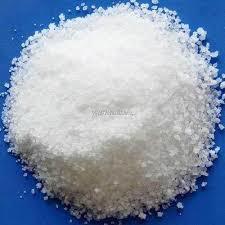
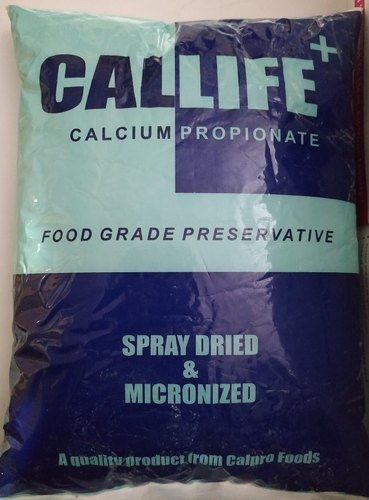
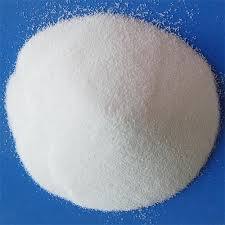
Calcium propionate is a preservative commonly used inbaked goods around the world. It works to extend the shelf life of baked goodsby preventing mold and ropy bread bacteria growth.
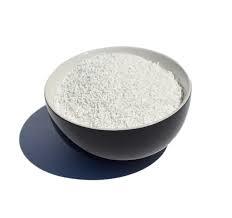
Versatile Food PreservativeCalcium propionate is valued for its ability to extend shelf life by preventing mold growth in bakery and dairy products. Its high purity and stability make it a preferred choice for food manufacturers. The compound is easy to handle, thanks to its powder form and consistent composition, making the preservation process straightforward and highly effective.
Reliable Industrial ApplicationsBeyond food, calcium propionates antimicrobial properties are also utilized in the animal feed and agricultural sectors. Its application process does not require complex methods, ensuring smooth integration into production and supply chains. Companies benefit from its reliability and quality, establishing trust with end-users worldwide.
FAQs of Calcium propionate:
Q: How is calcium propionate typically used in food production?
A: Calcium propionate is incorporated into products such as bread, cakes, and dairy items to inhibit the growth of molds and some bacteria, safeguarding the quality and shelf life of food. It is especially effective in bakery items due to its stability during processing and storage.
Q: What benefits does calcium propionate offer over other preservatives?
A: This compound provides robust antifungal protection without affecting the taste or texture of foods. Its high purity, consistent melting and boiling points, and compatibility with manufacturing processes make it a reliable and safe choice for various applications.
Q: When should calcium propionate be added during processing?
A: It is typically introduced at the mixing stage of food production, ensuring even dispersion throughout the product before baking or packaging. This timing maximizes its preservative effect and maintains product quality.
Q: Where should calcium propionate be stored to maintain its potency?
A: Calcium propionate should be stored at room temperature in a dry, well-ventilated area. Its stable crystalline solid form resists degradation under normal storage conditions, ensuring an extended shelf life for industrial and commercial use.
Q: What is the process for manufacturing calcium propionate?
A: Calcium propionate is produced by neutralizing propionic acid with calcium hydroxide or calcium carbonate. The resulting solid is purified and milled into the desired powder consistency, meeting stringent quality standards for purity and safety.
Q: How is the solubility of calcium propionate relevant to its application?
A: Although slightly soluble in methanol and ethanol and insoluble in acetone or benzene, calcium propionate readily dissolves in aqueous solutions during food production, enabling effective distribution in doughs and mixes.
Q: What are the main advantages for exporters and suppliers of calcium propionate?
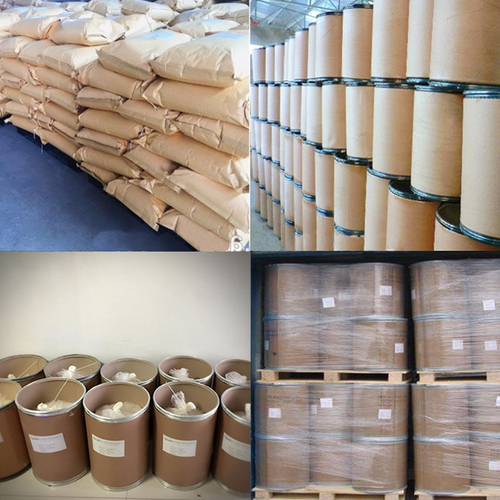
A: Exporters and suppliers benefit from its widespread demand in global food and feed industries, its prolonged shelf life, and straightforward transportation requirements. Its powder form and stable composition facilitate bulk handling and ensure consistent product delivery.








 Send Inquiry

 Send Inquiry