Pectin About
Pectin is a heterosaccharide derived from the cell wall of plants. Pectins vary in their chain lengths, complexity and the order of each of the monosaccharide units. The characteristic structure of pectin is a linear chain of alpha(1-4)linked D-galacturonic acid that forms the pectin-backbone, a homogalacturonan.
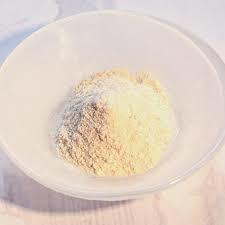
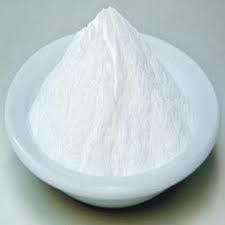
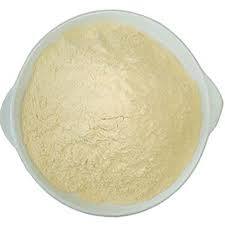
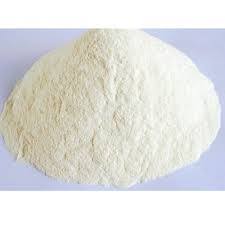
Exceptional Solubility and Physical AttributesPectin stands out due to its solubility in pure water, enabling easy incorporation into recipes and formulations without clumping. Its physical forma powder in hues from white to light brownensures accurate measurement and consistent quality. The gentle fruity fragrance further enhances its appeal for use in food and pharmaceutical industries.
Optimal Storage and StabilityThis product is best preserved at room temperature, thanks to its stable composition and vapor density of 0.750.06. Pectin retains its efficacy and physical properties over time, allowing suppliers and users to maintain product quality throughout transit and storage.
FAQs of Pectin:
Q: How should pectin be stored to maintain its quality?
A: Pectin should be stored at room temperature in a cool, dry place away from direct sunlight to preserve its physical integrity and effectiveness.
Q: What are the primary applications of pectin in industry?
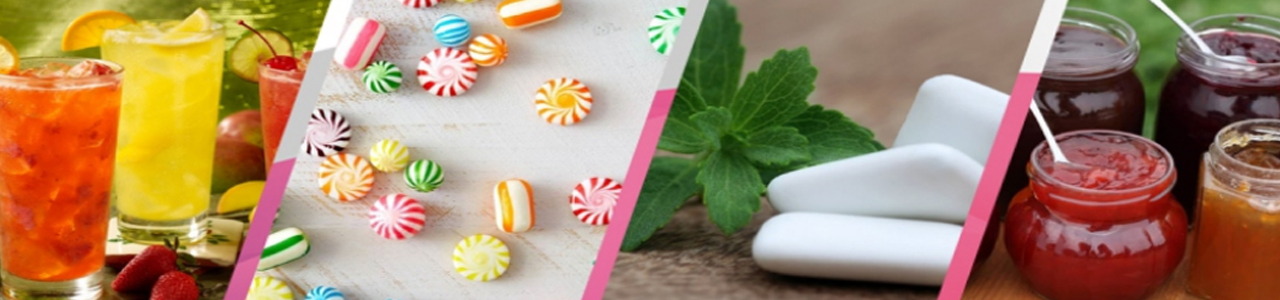
A: Pectin is widely used as a gelling, thickening, and stabilizing agent in food products such as jams, jellies, and desserts, as well as in some pharmaceutical formulations.
Q: When is pectin typically added during food processing?
A: Pectin is generally introduced during the heating or mixing stage when formulating gels or thickeners, allowing it to dissolve fully and activate its gelling properties.
Q: Where can pectin be effectively utilized aside from food applications?
A: Beyond food, pectin finds use in the pharmaceutical industry for controlled drug release systems and in cosmetics for texture enhancement.
Q: What is the process for dissolving pectin in water?
A: To dissolve pectin, gradually add the powder to pure water while stirring thoroughly. Optimal temperature control between 70100C helps ensure complete solubility.
Q: How does pectin benefit food products?
A: Pectin enhances texture, improves shelf life, and provides stability and mouthfeel to food products, especially in fruit preserves and dairy items.
Q: Why choose this pectin for manufacturing purposes?
A: This pectins high purity, consistent color, and reliable gelling performance make it preferred by manufacturers and suppliers seeking dependable, quality ingredients.







 Send Inquiry

 Send Inquiry