Lactitol About
Lactitol is a disaccharide consisting ofbeta-D-galactopyranose and D-glucitol joined by a 1->4 glycosidic bond. Itis used as a laxative, as an excipient, and as replacement bulk sweetener insome low-calorie foods. Lactitol has been used in trials studying thetreatment of Bacterial Colonization.
Superior Water SolubilityLactitol dissolves efficiently in water, making it an ideal sweetener for beverages, bakery products, and confectionery. Its solubility also facilitates easy processing and blending in industrial formulations, ensuring consistent sweetness without altering texture.
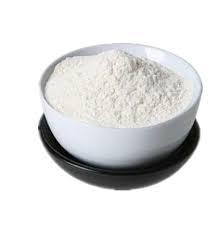
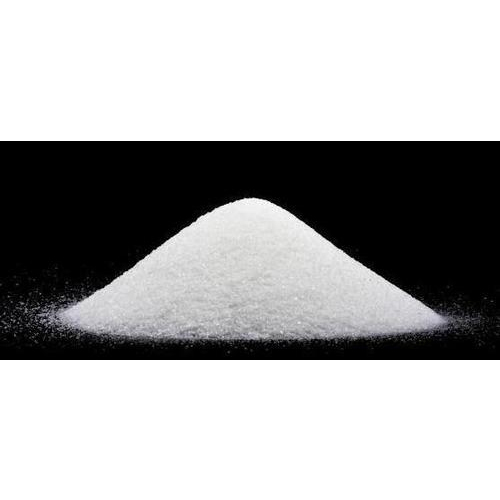
Quality and Purity AssuranceThis product is supplied as a white, crystalline powder with a high assay (~99%) and purity (100%). As an exporter, manufacturer, supplier, and trader, we maintain stringent quality control to preserve the integrity of lactitol in all applications.
Versatile Application UsesLactitols physical and chemical properties allow for diverse applications, including sugar-free, reduced-calorie foods, pharmaceuticals, and dietary products. Its neutral flavor profile and adaptability make it a preferred choice for health-conscious consumers.
FAQs of Lactitol:
Q: How is lactitol typically used in food products?
A: Lactitol is commonly used as a sugar substitute in baked goods, confectionery, and dairy products due to its sweetening capability and high water solubility. It supports formulation of low-calorie and sugar-free foods.
Q: What is the recommended storage condition for lactitol powder?
A: Lactitol should be stored at room temperature in a dry place to maintain its quality and crystalline form. Proper storage helps prevent clumping and preserves its solubility.
Q: When is lactitol preferred over other sweeteners?
A: Lactitol is preferred when reduced calorie content is desired without compromising sweetness. It is especially valuable for diabetic and weight management food products due to its low glycemic index.
Q: Where is lactitol sourced from and supplied?
A: Lactitol is manufactured and supplied globally by exporters, manufacturers, suppliers, and traders, and can be sourced in bulk quantities for commercial applications.
Q: What is the process for producing lactitol monohydrate powder?
A: Lactitol is produced by hydrogenating lactose, followed by crystallization and drying to obtain the monohydrate powder form with high purity and assay consistency.
Q: What benefits does lactitol offer over traditional sugar?
A: Lactitol provides fewer calories, does not promote tooth decay, and is suitable for individuals seeking reduced sugar or diabetic-friendly products. Its taste profile and physical properties make it an advantageous alternative to sucrose.









 Send Inquiry

 Send Inquiry