L Tyrosine About
DL Tyrosinehas a role as a Daphnia magna metabolite. It is an alpha-amino acid, a polar amino acid and an aromatic amino acid. It contains a 4-hydroxybenzyl group. It derives from apropionic acid. It is a conjugate base of a tyrosinium. It is a conjugate acid of a tyrosinate(1-).
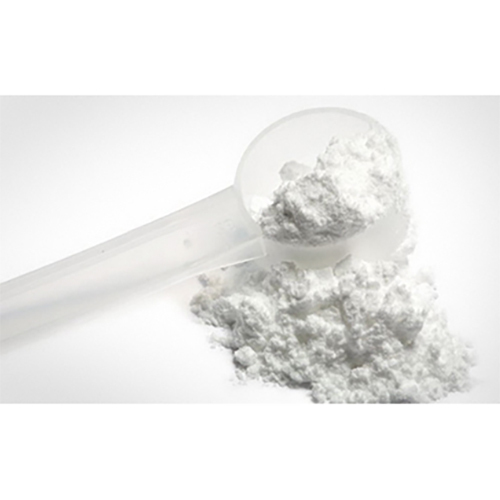
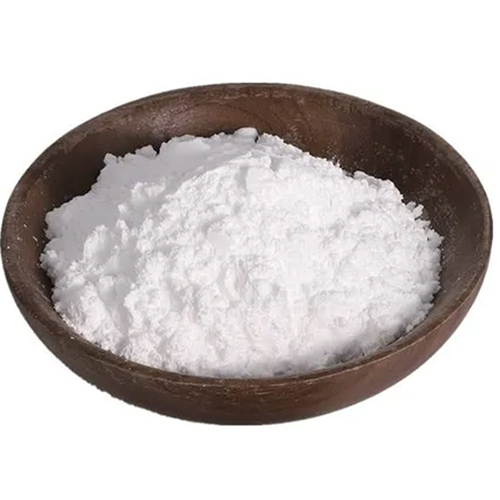
Multi-Industry ApplicationsDL Tyrosine powder is widely utilized in the food, pharmaceutical, and medicine sectors. Its exceptional purity ensures it meets stringent industry standards. As an organic intermediate, it plays a pivotal role in the synthesis of vital compounds, supporting the formulation of nutritional supplements, fortified foods, and pharmaceuticals.
Quality and Chemical PropertiesWith a molecular weight of 181.19 grams and purity of 99%, DL Tyrosine delivers reliable quality for manufacturers and laboratories. Its high water solubility, refractive index (1.5270), and pH greater than 8 make it suitable for diverse processes, while its shelf stability at room temperature enhances storage convenience.
FAQs of DL Tyrosine:
Q: How is DL Tyrosine typically used in the food and pharmaceutical industries?
A: DL Tyrosine serves as a nutritional supplement or additive in food products and is an essential ingredient in various pharmaceutical formulations. Its role in protein synthesis makes it valuable for health-related applications and dietary products.
Q: What are the benefits of incorporating DL Tyrosine into health supplements?
A: DL Tyrosine may support mental alertness and stress management due to its involvement in neurotransmitter production. Its use in supplements can provide a direct source of this non-essential amino acid, which is important for metabolism and cognitive functions.
Q: Where should DL Tyrosine powder be stored to maintain its quality?
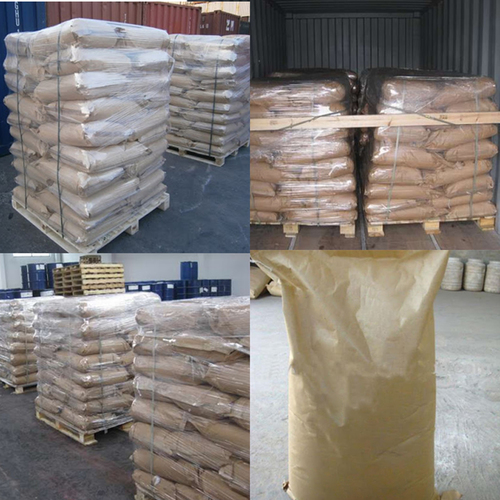
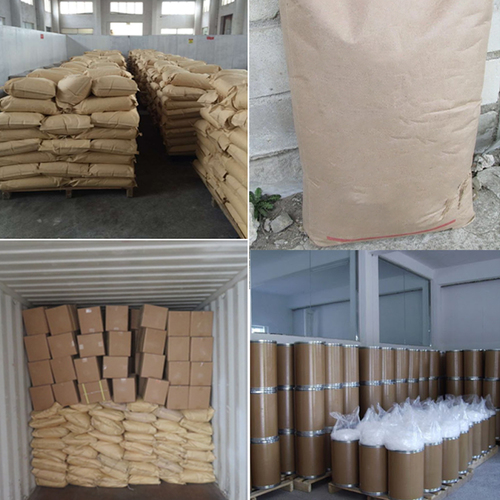
A: For optimal preservation, DL Tyrosine powder should be stored at room temperature in a dry, sealed container, away from direct sunlight and moisture. Proper storage helps maintain its high purity and effectiveness.
Q: What process is used to produce DL Tyrosine as a food-grade ingredient?
A: DL Tyrosine is synthetically produced through controlled chemical synthesis to ensure its purity and compliance with food-grade standards. This process guarantees consistent quality suitable for sensitive applications.
Q: When is DL Tyrosine best added during food or pharmaceutical manufacturing?
A: The addition of DL Tyrosine is typically performed during the blending or formulation stage to ensure uniform dispersion and activity in the final product. This timing maximizes its functional benefits in the intended application.
Q: How soluble is DL Tyrosine, and does its taste affect end products?
A: DL Tyrosine is highly soluble in water, facilitating easy incorporation into solutions and blends. However, its naturally bitter taste may influence flavor profiles in food products, often requiring masking agents or flavor adjustments.








 Send Inquiry

 Send Inquiry