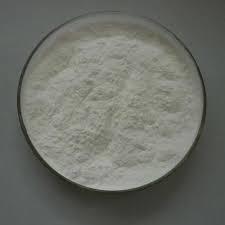
Welcome to Avanschem!
We Don't BUY/SELL/MARKET/ consult any products covered under patent or are restricted.
Ascorbic Acid
Ascorbic Acid

Ascorbic Acid

MOQ : 25 Kilograms

Ascorbic Acid Specification

  • Appearance
  • White or light yellow solid
  • Melting Point
  • 190-194 °C
  • Water Solubility
  • SOLUBILITY IN WATER
  • Molecular Formula
  • C6H8O6
  • Physical Form
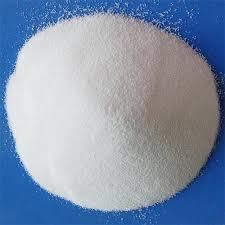
  • Powder
  • Shelf Life
  • 24 Months
  • Boiling point
  • 552.7±50.0 °C at 760 mmHg
  • Vapor Density
  • 2.00.1 g/cm3
  • Assay
  • Colorimetric & Fluorometric Assay for detecting Ascorbic Acid in various Biological Samples such as Serum etc. within 5 min
  • Taste
  • Odorless
  • CAS No
  • 50-81-7
  • FEMA No
  • 2410
  • Other Names
  • Cenolate and Vitamin C
  • Type
  • Preservatives
  • Color
  • White or light yellow solid
  • Purity
  • 100%
  • Storage
  • Room Temperature
 

Ascorbic Acid Trade Information

  • Minimum Order Quantity
  • 25 Kilograms
  • FOB Port
  • All India Port
  • Payment Terms
  • Letter of Credit (L/C), Letter of Credit at Sight (Sight L/C), Telegraphic Transfer (T/T)
  • Sample Policy
  • Sample costs shipping and taxes has to be paid by the buyer
  • Main Export Market(s)
  • Western Europe, Asia, Australia, North America, Eastern Europe, Middle East, Africa, Central America, South America
  • Main Domestic Market
  • All India
  • Certifications
  • ISO GMP KOSHER
 

Ascorbic Acid About

Ascorbic Acid

Ascorbic Acid is natural water-soluble vitamin (Vitamin C). Ascorbic acid is antioxidant agent that works as fighting bacterial infections, in detoxifying reactions, and in the formation of collagen in fibrous tissue, teeth, bones, connective tissue, skin, and capillaries.

Product Benefits-

Protection against immune system deficiencies

Improve the appearance of wrinkled skin &help reduce wrinkles.

Taking vitamin C from dietary sources or calcium ascorbate supplements prevent cartilage loss and worsening of symptoms in people with osteoarthritis.

Consuming vitamin C in diet lower blood levels of lead.

Taking vitamin C might reduce low-density lipoprotein cholesterol in people with high cholesterol.

It is help for High blood pressure.


Product Specification:

Other Names - Cenolate, and Vitamin C

Type - Preservatives

Color - White or light yellow solid

Purity - 100 %

Storage - Room Temperature
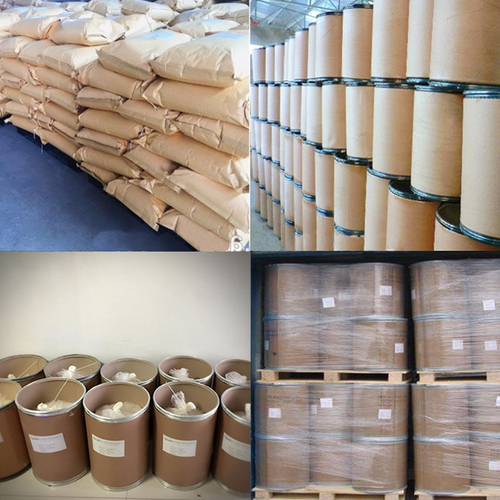


Versatile Preservative and Antioxidant

Ascorbic Acid is renowned for its potent antioxidant qualities, making it a preferred choice for preserving food, pharmaceutical, and cosmetic products. It helps to maintain the freshness and nutritional value of products, efficiently inhibiting oxidation and spoilage.


Easy Detection and Application

With rapid assay processes such as colorimetric and fluorometric analysis, Ascorbic Acid can be detected in various biological samples within five minutes, ensuring accurate concentrations for laboratory, manufacturing, and quality control environments.

FAQs of Ascorbic Acid:


Q: How is Ascorbic Acid used as a preservative in food and pharmaceuticals?

A: Ascorbic Acid acts as a preservative by inhibiting oxidation, maintaining freshness, and enhancing shelf life in a variety of food and pharmaceutical products. Its solubility in water facilitates easy mixing and integration into formulations.

Q: What are the benefits of using Ascorbic Acid as an ingredient?

A: The main benefits include its antioxidant properties, ability to maintain product quality, and extension of shelf life. It also supports nutritional requirements as Vitamin C and is odorless, making it suitable for diverse applications.

Q: When should Ascorbic Acid be stored to maximize shelf life?

A: Storing Ascorbic Acid at room temperature, away from moisture and direct sunlight, is recommended to ensure its maximum shelf life of up to 24 months and to maintain 100% purity.

Q: Where can Ascorbic Acid be applied in industrial processes?

A: Ascorbic Acid can be applied in food preservation, pharmaceutical manufacturing, laboratory assays, and cosmetic production due to its stability, water solubility, and effectiveness as an antioxidant.

Q: What is the process for detecting Ascorbic Acid in biological samples?

A: Detection typically involves colorimetric or fluorometric assays, allowing accurate and rapid analysis of Ascorbic Acid concentrations in samples such as serum, often within five minutes.

Q: How does the physical form of Ascorbic Acid enhance its usability?

A: Being an odorless powder, Ascorbic Acid is simple to handle, mix, and measure, which increases convenience and efficiency in industrial, laboratory, and manufacturing settings.

Tell us about your requirement
product

Price:

Quantity
Select Unit

  • 50
  • 100
  • 200
  • 250
  • 500
  • 1000+
Additional detail
Mobile number

Email

More Products in Preservatives Category

TBHQ Tert-Butylhydroquinone

TBHQ Tert-Butylhydroquinone

Price Range 125.00 - 135.00 INR / Bag

Minimum Order Quantity : 100 Bags

Appearance : white to light tan crystalline solid

Physical Form : Powder

Water Solubility : Solubility in water. Slightly soluble

Molecular Formula : C10H14O2
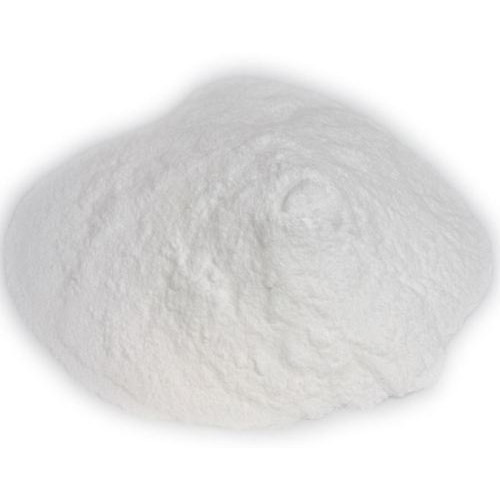
Potassium Metabisulphite

Potassium Metabisulphite

Price Range 125.00 - 135.00 INR / Bag

Minimum Order Quantity : 100 Bags

Appearance : White crystalline powder

Physical Form : Powder

Water Solubility : Insoluble in ethanol

Molecular Formula : K2O5S2
Calcium Lactate

Calcium Lactate

Price Range 125.00 - 135.00 INR / Bag

Minimum Order Quantity : 100 Bags

Appearance : white or offwhite powder

Physical Form : Powder

Water Solubility : very soluble in methanol, insoluble in ethanol

Molecular Formula : C6H10CaO6
Citric Acid Anhydrous

Citric Acid Anhydrous

Price Range 125.00 - 135.00 INR / Bag

Minimum Order Quantity : 100 Bags

Appearance : Crystalline white solid

Physical Form : Powder

Water Solubility : Very soluble in ethanol; soluble in ether, ethyl acetate; insoluble in benzene, chloroform

Molecular Formula : C6H8O7