Sodium Saccharine About
Definitionofsaccharine.
1a : of, relating to, or resembling that of sugarsaccharinetaste. b : yielding or containing sugarsaccharinevegetables.
2 : overly or sickishly sweetsaccharineflavor.
3 : ingratiatingly or affectedly agreeable orfriendly.
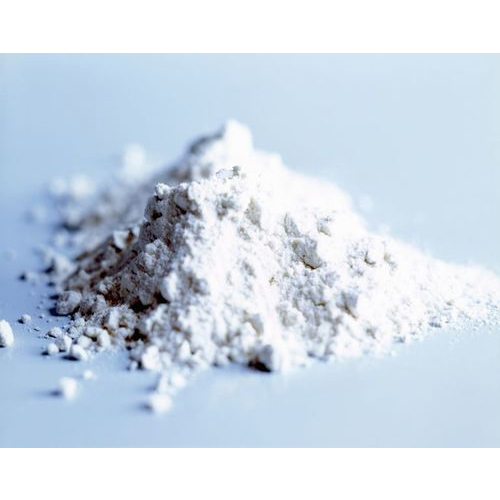
Exceptional Sweetness and High PuritySaccharin is renowned for its intense sweetness, being several hundred times sweeter than sucrose. Supplied as a white, odorless crystalline powder, its ideal for products where a strong, stable sweetener is necessary. Each batch is meticulously tested to maintain an assay between 99% and 101% on a dried basis, ensuring superior product quality and consistency.
Versatile Applications Across IndustriesThis sweetener is widely utilized in food, beverage, pharmaceutical, and even cosmetic products due to its compatibility and stability. Its non-caloric nature appeals to health-conscious consumers and those managing sugar intake. Despite its lack of water solubility in its pure form, saccharins sodium salt is frequently employed for full dissolution in liquid formulations.
FAQs of Saccahrine .:
Q: How is saccharin typically used in food and beverage applications?
A: Saccharin is commonly used as a low-calorie artificial sweetener in soft drinks, tabletop sweeteners, baked goods, and preserved fruits. Due to its high sweetness potency, only small amounts are needed to achieve the desired sweetness, making it an economical sugar substitute.
Q: What are the benefits of choosing saccharin as a sweetener?
A: Saccharin offers intense sweetness without adding calories or affecting blood sugar, making it suitable for diabetics and those on calorie-restricted diets. Its stability at high temperatures also allows it to be used in processed and baked foods.
Q: When should saccharin be added during the manufacturing process?
A: Saccharin is typically added during the blending stage of product manufacturing. Its chemical stability ensures it retains sweetness even under exposure to heat during baking or pasteurization, making it versatile for various production processes.
Q: Where should saccharin be stored for optimal quality?
A: It is best to store saccharin in a cool, dry place at room temperature, in tightly sealed containers. Proper storage prevents moisture absorption and maintains its crystalline structure and purity over time.
Q: What is the process of making saccharin water-soluble?
A: While pure saccharin is not water-soluble, converting it to its sodium salt form enhances its solubility. Sodium saccharin dissolves readily in water, which makes it ideal for use in beverages and liquid pharmaceutical formulations.
Q: How can manufacturers ensure the purity and quality of saccharin supplied from India?
A: Manufacturers and suppliers in India adhere to stringent quality standards, ensuring each batch contains an assay between 99% and 101%. Consistent testing and inspection throughout the supply chain contribute to high-quality saccharin meeting global regulatory requirements.










 Send Inquiry

 Send Inquiry