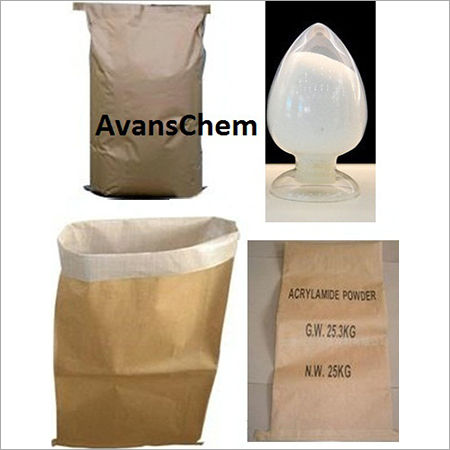
About Non-Anionic Polyelectrolyte/Non-Anionic Polyacrylamide
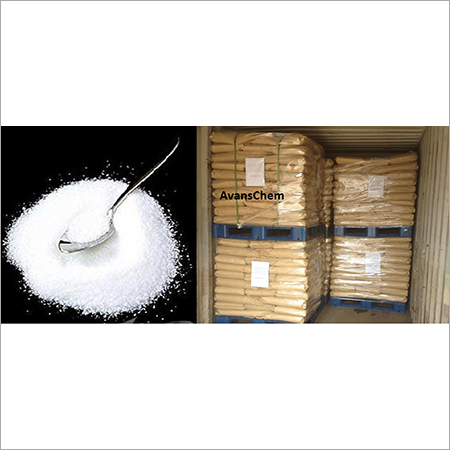
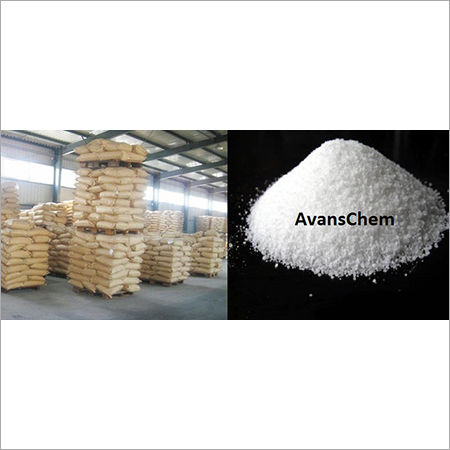
Having four years of experience in this field, we are successfully engaged in providing excellent quality Non ionic Polyelectrolyte in different packaging options. At our advanced processing labs, the offered polyelectrolyte is formulated under suitable conditions with the use of supreme quality chemicals. Finding usage in various industrial, commercial and research applications, the provided polyelectrolyte is used in water and sewage treatment processes. Additionally, we provide this Non ionic Polyelectrolyte at reasonable rates to our clients.
Key points:
- Processed under favorable conditions
- Longer shelf life
- High stability
- Free from impurities
Specification:
| Major Contents | Polyacrylamide |
| Ionicity | Non Ionic |
| Shape | White granules |
| Bulk Density | 0.63 |
| Dissolution conc | 0.05 0.20 |
| Effective pH range | 3 10 |
| Aqueous Solution pH (0.1%) | 5 7 |
| Molecular Weight (x104) | 1700 |
| Viscosity 0.1% | 65 |
| Viscosity 0.2% | 130 |
| Application | Paper & pulp waste water, iron & steel works waste water |
Also knows as Non Ionic Polyacrylamide or NPAM is mainly used:

- SEWAGE TREATMENT AGENT
- FLOCCULANT
- TEXTILE INDUSTRY
- SAND CONTROL AND SAND-FIXATION
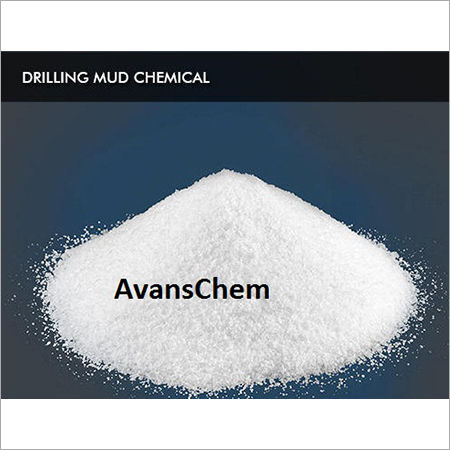
- DRILLING MUD PERFORMANCE MODIFIER
- CONTROLLING AND WATER PLUGGING AGENT
- WELL DRILLING MUD ADDITIVES
Trusted Solution for Solid-Liquid SeparationEngineered to deliver excellent flocculation, this non-ionic polyacrylamide is an optimal choice for industries requiring clear separation of solids from liquids. Its high molecular weight ensures superior performance in treating wastewater, managing sludge, and clarifying process streams. Industries such as paper, textiles, mining, and sugar benefit from improved operational efficiency and product quality due to its exceptional flocculating and thickening properties.
Dependable and Safe Chemical ProfileThis non-anionic polyelectrolyte is non-toxic, non-corrosive, and safe for use in a range of industrial environments. With a neutral pH of 67 in stock solutions and compatibility with most inorganic coagulants, it integrates smoothly into existing treatment processes. Storing it in a cool, ventilated place ensures it remains effective throughout its 2-year shelf life.
FAQs of Non-Anionic Polyelectrolyte/Non-Anionic Polyacrylamide:
Q: How is Non-Anionic Polyacrylamide used in industrial applications?
A: Non-Anionic Polyacrylamide is primarily used as a flocculant and thickener in wastewater treatment, paper manufacturing, textile processing, mining, sludge dewatering, and the sugar industry. It aids in separating suspended solids from liquids, enhancing water clarity and sedimentation rates.
Q: What are the benefits of using this non-anionic polyelectrolyte over other flocculants?
A: This polyelectrolyte offers high efficiency, excellent flocculation capacity, and stable chemical properties. It is non-toxic and non-corrosive, and it maintains compatibility with most inorganic coagulants, making it a reliable and safe choice for a variety of industrial processes.
Q: What is the recommended process for dissolving and preparing this product?
A: To dissolve, gradually add the powder or granules into agitated water at room temperature. Full dissolution typically takes 3060 minutes, depending on the degree of agitation and temperature. Avoid excessive shearing to maintain polymer integrity and maximize flocculation performance.
Q: When and where should Non-Anionic Polyacrylamide be applied for optimal results?
A: Apply this product during the initial or primary solid-liquid separation stages of wastewater, sludge, or industrial process streams. It is suitable for use in municipal treatment plants, mining operations, pulp and paper facilities, and similar settings where effective flocculation is required.
Q: How should this product be stored for maximum shelf life and safety?
A: Store Non-Anionic Polyacrylamide in a cool, dry, and well-ventilated location. Keep the packaging tightly sealed to prevent moisture absorption, which may affect product performance. Under proper storage conditions, it retains effectiveness for up to two years.
Q: Is Non-Anionic Polyacrylamide environmentally safe and biodegradable?
A: While this product is non-toxic and non-corrosive, it is non-biodegradable. Appropriate handling and disposal according to industrial and environmental regulations are recommended to ensure responsible use.