About Sodium Carboxy Methyl Cellulose (CMC)
Carboxymethyl cellulose or cellulose gum is a cellulose derivative with carboxymethyl groups bound to some of the hydroxyl groups of the glucopyranose monomers that make up the cellulose backbone. It is often used as its sodium salt, sodium carboxymethyl cellulose.
Carboxymethylcellulose sodium. Description: Acellulose derivative which is a beta-(1,4)-D-glucopyranose polymer. It is used as a bulk laxative and as an emulsifier and thickener in cosmetics and pharmaceuticals and as a stabilizer for reagents.
Exceptional Thickening AgentSodium Carboxy Methyl Cellulose delivers remarkable thickening capacity, making it invaluable in the food, textile, and pharmaceutical industries. Its ability to stabilize emulsions and improve viscosity enhances product consistency and stability. The compounds purity and solubility ensure predictable performance in multiple applications.
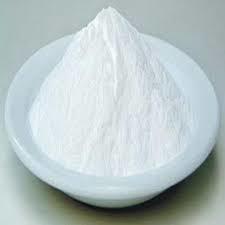
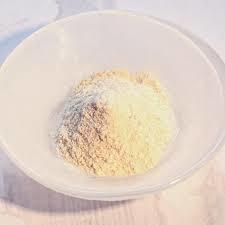
Optimal Usage and HandlingCMC is supplied as a fine white powder and requires heat for higher concentration solutions (up to 50 mg/ml in water). It is best stored at room temperature to maintain quality. Users should handle it according to industry standards to preserve its integrity and effectiveness over time.
Versatility Across IndustriesSodium Carboxy Methyl Cellulose finds applications in food products, medicines, cosmetics, and industrial processes. As an efficient binder and thickener, it improves product texture, shelf life, and appeal. Its high purity and consistent physical properties make it a trusted ingredient for manufacturers worldwide.
FAQs of Sodium Carboxy Methyl Cellulose (CMC):
Q: How is Sodium Carboxy Methyl Cellulose typically used in industrial applications?
A: Sodium Carboxy Methyl Cellulose is commonly employed as a thickener, binder, and stabilizer. It enhances viscosity in liquids, improves product texture, and maintains stability in food, pharmaceuticals, and cosmetics.
Q: What is the process for preparing a solution of CMC?
A: To prepare a 50 mg/ml solution of CMC in water, you must use heat to fully dissolve the powder, as it is soluble at this concentration only with elevated temperatures. Lower concentrations may dissolve without heating.
Q: Where should Sodium Carboxy Methyl Cellulose be stored to retain its quality?
A: It should be stored at room temperature in a sealed container, away from moisture and direct sunlight, ensuring its physical and chemical characteristics remain intact for optimal performance.
Q: What are the benefits of using CMC as an ingredient?
A: CMC offers stable thickening, improved texture, enhanced product consistency, and effective binding properties. Its high purity ensures reliable results in a variety of industries.
Q: When is Sodium Carboxy Methyl Cellulose preferred over other thickeners?
A: CMC is preferred when clear solutions, high purity, and strong viscosity control are required, especially in products needing precise texture and stability, such as food items and pharmaceuticals.
Q: How does water solubility of CMC affect its usage in formulations?
A: The water solubility of CMC allows easy incorporation into aqueous systems, enabling efficient thickening and stabilization of products like sauces, syrups, and gels.