About Ni sin
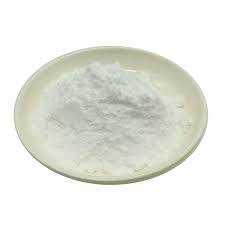
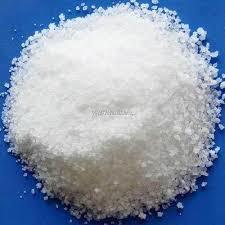
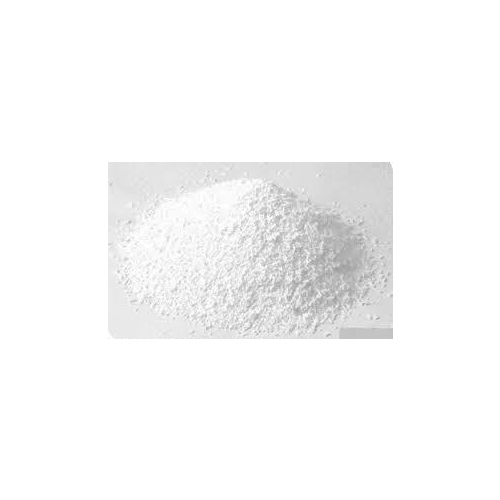
Nisin is a polycyclic antibacterial peptide produced bythe bacterium Lactococcus lactis that is used as a food preservative. It has 34amino acid residues, including the uncommon amino acids lanthionine (Lan),methyllanthionine (MeLan), didehydroalanine (Dha), and didehydroaminobutyricacid (Dhb)
Superior Food Preservation AbilitiesNisins broad-spectrum antimicrobial properties make it highly effective against spoilage and pathogenic bacteria. As a food-grade preservative, it extends shelf life while maintaining product quality. Its ability to dissolve easily in water simplifies incorporation into a wide range of processed foods and beverages.
Versatile Chemical CharacteristicsWith exceptional boiling point (2967C) and vapor density (1.402 g/mL), Nisin remains stable in demanding industrial processes. Its insolubility in non-polar solvents and powder form enhance convenience for manufacturers. Purity of 100% ensures consistent performance across applications.
FAQs of Ni sin:
Q: How is Nisin used as a preservative in food products?
A: Nisin is commonly added to a variety of food items such as dairy products, canned foods, and beverages to inhibit the growth of spoilage and pathogenic bacteria, thus extending their shelf life and maintaining safety.
Q: What is the process for incorporating Nisin into formulations?
A: Nisin can be dissolved in water and directly mixed into food or beverage formulations. Its water solubility ensures even distribution, and manufacturers typically follow regulated dosage guidelines based on the intended application.
Q: When should Nisin be added during food processing?
A: Nisin is usually introduced during the mixing or compounding stage, ensuring effective dispersion before heat processing, packaging, or storage. Its stability allows for flexible timing in production lines.
Q: Where can I source high-quality, pure Nisin?
A: Pure Nisin with assured quality and potency is available from exporters, manufacturers, suppliers, and traders in India. Always verify CAS No. 1414-45-5 and FEMA No. 3107 for authenticity when purchasing.
Q: What are the safety and storage guidelines for Nisin?
A: Nisin should be stored at room temperature in a dry environment to maintain its stability and potency. Its safety profile is recognized when used within regulated limits for food preservation.
Q: What are the main benefits of using Nisin in industrial applications?
A: Nisin offers reliable preservation, high purity, efficient antimicrobial action, and ease of use due to its powder form and water solubility. It supports extended shelf life and enhances product safety.