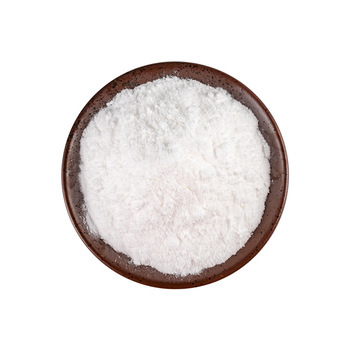
About Treha lose
Trehalose is adisaccharide formed by a 11glycosidic bond between two glucose units Twoother isomers are not found in nature It is found in nature as a disaccharide andalso as a monomer in some polymers
Superior Quality and PurityTreha is manufactured with 99% purity, ensuring consistent quality for industrial and commercial applications. Its crystalline form guarantees ease of use in various processes, and its high purity makes it suitable for sensitive formulations in the food and pharmaceutical industries.
Versatile ApplicationsThanks to its excellent sweetness profile and stabilizing features, Treha finds use in confectionery, beverages, preservation, and pharmaceutical formulations. Manufacturers and exporters in India supply Treha to both domestic and international markets, catering to diverse requirements.
FAQs of Treha lose:
Q: How should Treha (Trehalose) be stored to maintain its quality?
A: Treha should be stored at room temperature, away from moisture and direct sunlight, in a tightly sealed container to preserve its purity and crystalline structure.
Q: What is the main use of Treha in commercial industries?
A: Treha acts as a sweetening agent and stabilizer in food products, pharmaceuticals, and cosmetics, enhancing taste and prolonging shelf life.
Q: When is Treha typically added during the manufacturing process?
A: Treha is generally incorporated in the mixing or formulation phase, allowing it to dissolve evenly and maintain product stability.
Q: Where can Treha be sourced from in India?
A: Treha is available through various exporters, manufacturers, suppliers, and traders throughout India who specialize in high-quality food and pharmaceutical ingredients.
Q: What are the benefits of using Treha as a sweetener?
A: Treha offers a clean, sweet taste without overwhelming flavors, provides stability to sensitive ingredients, and extends shelf life in formulated products.
Q: Can Treha be dissolved in all common solvents?
A: No, while Treha is soluble in ethanol and water, it is insoluble in diethyl ether and benzene, which should be considered during formulation.